

Beginning with the October 2026 billing cycle, all Heber Light & Power residential customers will be moved to the opt-out Time-of-Use (TOU) rate. The information in this article will help you prepare for the change.
Time-of-use (TOU) electric rates are designed to encourage customers to use electricity when demand on the power grid is lower. Electricity costs more during peak demand hours and less during off-peak hours. Heber Light & Power’s on-peak hours are 3:00 PM to 10:00 PM, Monday through Friday, which means shifting energy use outside those hours can significantly reduce your monthly electric bill without sacrificing comfort.
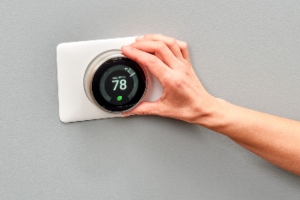
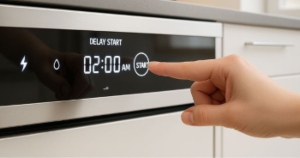
The first step to saving money on TOU rates is understanding which household activities use the most electricity. Major energy users typically include air conditioning systems, electric water heaters, clothes dryers, dishwashers, electric ovens, and electric vehicle chargers. By scheduling these appliances to operate during off-peak hours, you can avoid paying the higher on-peak rate.
If you own an electric vehicle, charging habits can have a major impact on your bill. Charging after 10:00 PM or during weekend hours can help you take advantage of lower-cost electricity. Most EVs and charging stations include scheduling features that automatically start charging at a designated time.
Cooking is another area where small changes can produce savings. During on-peak hours, consider using smaller appliances such as slow cookers, pressure cookers, microwave ovens, or air fryers, which generally consume less energy than a full-sized electric oven. Preparing meals earlier in the day can also reduce electricity use during expensive peak periods.
Water heating is often overlooked, but many electric water heaters can be programmed to heat water primarily during off-peak hours. Taking advantage of lower-priced periods to heat and store hot water can reduce costs while maintaining a reliable supply for household needs.

By planning energy use around the 3:00 PM to 10:00 PM weekday on-peak period, households can lower electric costs while helping reduce stress on the power grid. Simple adjustments such as pre-cooling your home, delaying appliance use, charging electric vehicles overnight, and improving overall efficiency can add up to meaningful savings throughout the year.